The COVID-19 pandemic changed the world in ways no one expected. In India, the healthcare system faced challenges never seen before, and one essential item suddenly became crucial for both safety and survival surgical gloves. Before the virus appeared, gloves were used mainly in hospitals, clinics, and laboratories. But once COVID-19 started spreading across cities and villages, the demand for gloves increased dramatically, affecting production, supply chains, healthcare planning, and everyday life.
A Sudden and Unprecedented Rise in Demand
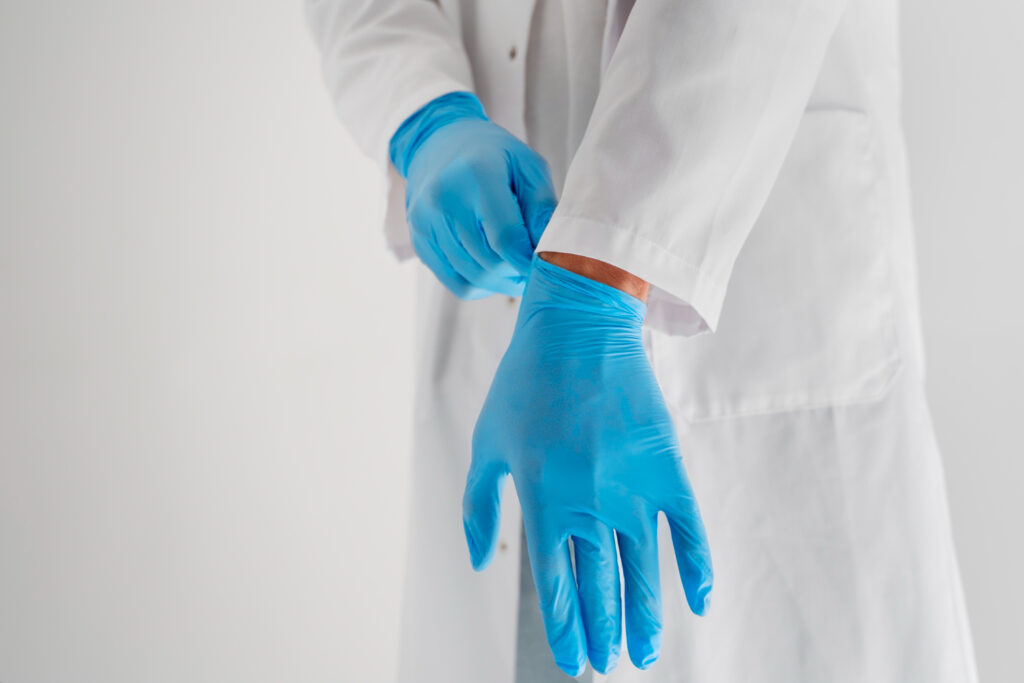
When COVID-19 reached India, hospitals became overcrowded within weeks, and doctors, nurses, and medical staff had to examine, test, and treat thousands of patients every single day. The risk of infection was extremely high because the virus spread easily through surface contact, contaminated objects, and respiratory droplets. Surgical gloves quickly became essential as the first layer of protection for healthcare workers, used during patient handling, testing, injections, ventilator management, emergency surgeries, and even equipment sanitization. India had never seen such an immediate and massive requirement for protective gloves, and within just a few months, demand grew several times higher than before. Gloves were no longer limited to hospitals—many other sectors suddenly needed them for safety.
Growing Awareness of Hygiene and Safety
For many people, COVID-19 was the first time they learned about infection control and hygiene protocols. Before the pandemic, wearing gloves was associated mostly with doctors, surgeons, or lab technicians. But during the pandemic, everyone became more conscious of germs and viruses.
Families used gloves while:
- Cleaning homes
- Handling groceries
- Receiving delivery parcels
- Stepping out during lockdown
Workers in shops, pharmacies, factories, and essential services wore gloves throughout the day. The general public wanted to feel safe and protected, and surgical gloves became a part of everyday life.This cultural shift in hygiene awareness played a major role in increasing nationwide glove consumption.
Expansion of Hospitals, Testing Centers, and Care Units
During peak COVID-19 waves, India built:
- Temporary hospitals
- COVID-19 care centers
- Isolation wards
- RT-PCR testing facilities
- Vaccination centers
Each new facility required thousands of pairs of gloves every week. Testing staff, cleaning teams, ambulance workers, and lab technicians needed constant protection. Gloves became as important as masks and sanitizers.
Because of these new facilities, India’s demand for gloves grew rapidly, and suppliers were under pressure to deliver bulk quantities continuously.
Gloves Become Essential Beyond Healthcare
Before COVID-19, gloves were mostly seen as a healthcare-specific product, but the pandemic changed their role completely. Suddenly, gloves became essential across multiple sectors, from retail stores where cashiers and staff used them to avoid direct contact to delivery and logistics workers who wore gloves while handling parcels and essentials. Pharmacies also adopted gloves for safer medicine handling, and even industries that had never used gloves before introduced them to maintain hygiene standards. For the first time, gloves became a part of the daily uniform for lakhs of Indian workers across the country.
Import Challenges Created Pressure on Local Suppliers
Before the pandemic, India imported a significant amount of gloves especially nitrile gloves from Malaysia, Thailand, and China. But when global lockdowns started, international shipments faced delays, factory shutdowns, and logistic interruptions.
This caused two major problems:
- Hospitals were running out of gloves.
- Imported glove prices increased sharply.
Local suppliers stepped in to close the gap. They sourced gloves from domestic manufacturers, expanded their networks, and worked tirelessly to supply hospitals, clinics, and care centers on time. Their role became critical in ensuring that healthcare workers were never left unprotected.
How Manufacturers Adapted to the New Demand
The sudden spike in demand challenged manufacturers in ways they were not prepared for. Production units had to increase output rapidly—sometimes working 24/7 during peak months.
Manufacturers had to:
- Expand production lines
- Import more raw materials
- Upgrade machinery for faster production
- Maintain strict quality control
- Train additional workers
- Follow new hygiene standards in factories
Making gloves at such large volumes without compromising quality was a major engineering and operational challenge. But in response to the crisis, many manufacturers improved their processes permanently.
This led to better-quality Indian gloves and reduced dependency on imports.
Types of Gloves That Became Highly Demanded
During the pandemic, different types of gloves were used depending on the situation.
Latex Gloves
Latex gloves were among the most commonly used during the pandemic because they are soft, flexible, and provide excellent touch sensitivity. Healthcare workers preferred them for routine examinations and short medical procedures where comfort and ease of movement were important.
Nitrile Gloves
Nitrile gloves became the top choice in high-risk environments, including laboratories, COVID-19 testing centers, and emergency wards. They are stronger, more durable, and resistant to chemicals, making them ideal for long procedures and situations where extra protection was necessary.
Powder-Free Gloves
Powder-free gloves gained popularity as hospitals aimed to reduce skin irritation and allergic reactions among staff. Since medical teams had to wear gloves for extended hours, powder-free options ensured better comfort and safety, preventing complications caused by glove powder.
Technology Helped Streamline Supply Chains
COVID-19 encouraged hospitals and suppliers to adopt digital tools that made the entire supply process faster and more efficient. Instead of relying on manual ordering, they shifted to mobile ordering apps, online stock tracking, automated inventory alerts, digital invoicing, and GPS-based delivery tracking. These technologies improved delivery speed, enhanced planning, reduced human errors, and ensured smooth coordination during emergencies. As a result, hospitals could focus more on patient care without worrying about sudden supply shortages, making digital transformation one of the most important and lasting changes in the healthcare supply chain.
Challenges Faced in the Glove Supply Chain
Meeting the sudden demand for gloves was not easy. Suppliers and distributors struggled with multiple issues:
- Raw material shortages
- Shipping delays
- Higher global prices
- Limited transport during lockdown
- Workforce limitations
- Strict safety protocols
Maintaining continuous production and timely deliveries required enormous effort and coordination. Suppliers played a vital role in preventing shortages in critical hospitals and care units.
Long-Term Changes in India’s Surgical Glove Market
Even after the pandemic, the demand for surgical gloves has remained higher than pre-2020 levels, as India has embraced long-term hygiene practices and stricter healthcare standards. Hospitals now maintain larger inventories, more companies prefer durable nitrile gloves over latex, and people continue using gloves for cleaning and disinfection at home. Laboratories and diagnostic centers follow stricter safety protocols, while public awareness of hygiene remains significantly higher than before. Industries such as food processing, electronics, and pharmaceuticals have also increased their use of gloves for safety and quality control. Altogether, these lasting changes have transformed India’s safety culture and ensured a steady, long-term demand for surgical gloves.
Lessons Learned During the Pandemic
COVID-19 taught healthcare professionals, suppliers, and industries several important lessons that continue to shape India’s medical supply system. Hospitals now maintain emergency stock to avoid shortages during sudden outbreaks, and strong partnerships with reliable suppliers have become essential for uninterrupted deliveries. The pandemic also highlighted the importance of strengthening local manufacturing, as relying too heavily on imports proved risky during global disruptions. Additionally, digital tools for inventory management have become more widely adopted, helping streamline coordination and prevent delays. Together, these lessons ensure India’s healthcare system is better prepared for future challenges.
Hygiene Awareness in Everyday Life
One of the biggest long-term changes is that people today are far more aware of cleanliness, sanitation, and infection control. Surgical gloves became a symbol of safety during the pandemic, and even now, many families continue using them in daily life whether for cleaning, handling chemicals, working in kitchens, or caring for sick family members. COVID-19 helped India develop a stronger culture of hygiene, making everyday environments safer and healthier for everyone.
Conclusion
COVID-19 showed everyone how important surgical gloves are. From hospitals to homes, gloves protected millions of people. Companies like RH Healthcare, a trusted Surgical Gloves Wholesaler in Gandhinagar, ensured that hospitals and clinics had the gloves they needed.Even as life returns to normal, gloves remain an important part of hygiene and safety. Hospitals, clinics, and workplaces will continue to rely on them. By working with trusted suppliers, healthcare providers can face future challenges confidently, keeping people safe and healthy around the world. For more details, contact us!