

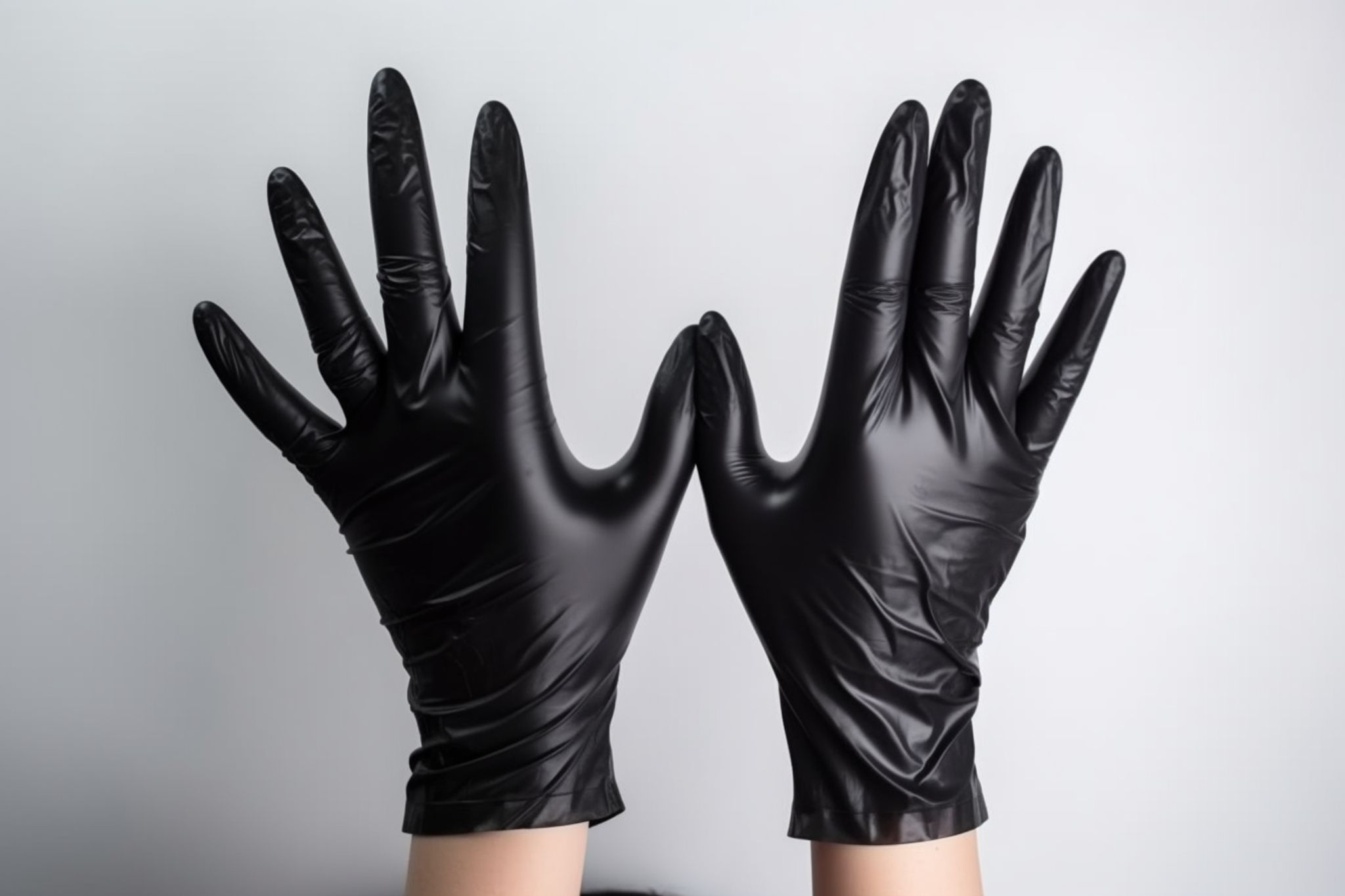
Choosing the right disposable gloves is an important consideration for businesses that require hand protection, hygiene, and consistent product performance. Blue vs black nitrile gloves is a common comparison for healthcare facilities, laboratories, automotive workshops, cleaning businesses, and other professional environments.
Both blue and black nitrile gloves are made from nitrile rubber, a synthetic material commonly used in disposable protective gloves. However, the most suitable option depends on factors such as workplace visibility, the nature of the task, glove specifications, and the requirements of the industry.
For businesses purchasing gloves in bulk, understanding these differences can help simplify product selection. RH Healthcare offers blue and black nitrile glove options for buyers looking to explore products according to their professional requirements.
1. What Is the Difference Between Blue and Black Nitrile Gloves?
The primary visible difference between blue and black nitrile gloves is their colour. Both can be manufactured from nitrile rubber, but their actual performance depends on the specific product design, thickness, quality, and intended application.
Blue nitrile gloves are commonly associated with healthcare, laboratory, and general hygiene-related environments. Their colour can make them easier to distinguish against certain materials or surfaces.
Black nitrile gloves are frequently used in automotive workshops, detailing businesses, maintenance settings, and other professional environments where a darker glove appearance is preferred.
However, colour alone does not determine a glove’s protective capabilities. Buyers should always check the manufacturer’s specifications and confirm whether a particular glove is suitable for the intended task.
2. Blue vs Black Nitrile Gloves: Key Differences at a Glance
Blue and black nitrile gloves can serve different workplace preferences, even when their underlying material is similar.
Blue nitrile gloves are often selected for settings where glove visibility and easy visual identification are useful. They are commonly found in healthcare and laboratory environments, subject to the product’s intended use and specifications.
Black nitrile gloves are often preferred in automotive, detailing, maintenance, and other professional settings where a dark appearance is practical or aligns with workplace preferences.
When comparing the two, buyers should consider:
- Colour visibility: Which colour is easier to distinguish in the specific working environment?
- Intended application: Is the glove designed for the task being performed?
- Material and thickness: Do the specifications meet the requirements of the work?
- Fit and comfort: Is the available size suitable for the wearer?
- Protection requirements: Is the product tested and documented for the intended exposure?
- Workplace standards: Are there specific industry or organisational requirements?
These factors provide a more reliable basis for selection than colour alone.
3. Where Are Blue Nitrile Gloves Commonly Used?
Blue nitrile gloves are used across several professional settings, depending on their specifications and intended purpose.
Healthcare and Clinical Environments
Healthcare facilities may use blue nitrile gloves for suitable examination and routine clinical tasks. Their colour can help distinguish gloves from other items in the working environment.
The specific glove must be appropriate for the intended medical use. Buyers should check whether the product is an examination glove, whether it is sterile or non-sterile, and whether its documentation meets the facility’s requirements.
Laboratories and Diagnostic Settings
Laboratories may use nitrile gloves for selected handling and routine laboratory tasks. Blue gloves can be useful where visual identification is preferred.
However, laboratories should evaluate the chemicals, biological materials, and other substances involved before choosing a glove. Not every nitrile glove is suitable for every chemical or laboratory application.
Food Handling and General-Purpose Tasks
Certain blue nitrile gloves may be suitable for food-handling tasks when the specific product is approved or documented for the intended use and complies with applicable requirements.
Blue colouring may also help workers identify glove fragments or distinguish gloves from certain food items and surfaces. This benefit depends on the environment and the colours present.
Businesses should verify food-contact suitability rather than assuming that all blue nitrile gloves are appropriate for food handling.
4. Where Are Black Nitrile Gloves Commonly Used?
Black nitrile gloves are popular in professional environments where a darker glove colour is preferred. Their suitability still depends on the glove’s specifications and the task involved.
Automotive Repair and Maintenance
Automotive technicians may prefer black nitrile gloves for routine workshop tasks because the dark colour can make certain stains less visually prominent.
However, a black appearance does not automatically mean the gloves are resistant to automotive fluids, oils, fuels, or solvents. Workers should check the manufacturer’s chemical-resistance information and use gloves specifically suited to the substances they handle.
Industrial and Workshop Environments
Black nitrile gloves may be selected for some maintenance, assembly, and workshop activities where disposable gloves are appropriate.
Buyers should consider the level of mechanical exposure, possible contact with chemicals, glove thickness, and the need for dexterity. Tasks involving sharp objects, high heat, or other significant hazards may require different protective equipment.
Cleaning, Detailing and Other Professional Tasks
Some cleaning and vehicle-detailing businesses prefer black gloves for their appearance and workplace practicality. The right product depends on the cleaning agents, detailing products, and other substances involved.
Before use, businesses should check the relevant product specifications and chemical compatibility information. General-purpose disposable gloves should not be assumed to protect against every cleaning chemical.
5. How Does Glove Colour Affect Visibility in the Workplace?
Visibility is one of the practical factors that can influence glove selection.
Blue gloves may be easier to identify against certain backgrounds, materials, and work surfaces. In some workplaces, this can help staff visually distinguish gloves from other items.
Black gloves may be preferred where a dark appearance is practical, such as in some automotive detailing or maintenance environments. However, black gloves can be less visible against dark surfaces or materials.
The most suitable colour depends on the workplace. Buyers should consider lighting, background colours, the materials being handled, and any workplace procedures that require visual inspection.
Where glove contamination or damage needs to be detected, colour should not be the only control. Workers should follow the applicable inspection, replacement, and hygiene procedures.
6. Do Blue and Black Nitrile Gloves Offer the Same Level of Protection?
Blue and black nitrile gloves can offer comparable protection when their specifications, construction, and intended uses are equivalent. However, this should never be assumed based on colour alone.
Glove performance can depend on several factors:
- Material composition: The formulation can affect the product’s properties.
- Thickness and design: These influence fit, dexterity, and certain performance characteristics.
- Chemical compatibility: Resistance varies according to the chemical, concentration, exposure duration, and glove construction.
- Intended use: Examination gloves, industrial gloves, and other products may have different requirements.
- Testing and documentation: Product-specific evidence helps buyers assess suitability for the intended application.
For medical use, buyers should confirm the relevant medical-device requirements and product documentation. For chemical handling, they should consult the manufacturer’s compatibility data.
The key principle is simple: select gloves according to verified specifications and workplace hazards, not colour alone.
7. What Should Buyers Check Before Choosing Nitrile Gloves?
Businesses comparing blue and black nitrile gloves should establish their requirements before ordering.
Intended Application : Identify the tasks the gloves will be used for. Healthcare examination, laboratory work, automotive maintenance, and cleaning may require different product characteristics.
Material and Product Specifications : Review the product description, material information, thickness where specified, and other relevant technical details. Confirm that the product is appropriate for the intended application.
Glove Size and Fit : Choose the available size that fits the wearer properly. Suitable fit supports comfortable movement and effective handling during routine tasks.
Thickness and Durability Requirements : Different tasks can require different glove characteristics. Buyers should review the manufacturer’s specifications rather than assuming that one glove thickness is appropriate for every application.
Applicable Standards and Documentation : Where relevant, verify product conformity, testing information, intended-use statements, batch details, and other supporting documentation.
Workplace Requirements : Consider whether the workplace requires a particular colour, specific product category, documented chemical resistance, medical-use suitability, or other features.
By evaluating these factors, businesses can select a glove based on its intended purpose rather than appearance alone.
8. Blue vs Black Nitrile Gloves: Which Should Businesses Choose?
There is no single answer for every business. The right choice depends on the working environment and the specific glove product.
Blue nitrile gloves may be worth considering when visual identification is useful or when a workplace commonly uses blue gloves for suitable healthcare, laboratory, or hygiene-related tasks.
Black nitrile gloves may be preferred for automotive detailing, selected maintenance tasks, and other environments where a dark-coloured glove is practical.
Before making a decision, businesses should ask:
- What tasks will the gloves be used for?
- What materials or substances might the gloves contact?
- Are there specific medical, industrial, or workplace requirements?
- What sizes and product specifications are needed?
- Does the supplier provide the documentation required for the intended use?
- Will the same glove be suitable for all tasks, or are different products required?
For businesses with several departments, it may be more appropriate to maintain different glove types for different tasks instead of selecting a single product for the entire organization.
9. What Should Bulk Buyers Know Before Ordering Nitrile Gloves?
Bulk buyers should communicate their requirements clearly so that the supplier can identify relevant product options.
Before contacting a supplier, prepare the following information:
- Preferred glove colour: blue or black
- Intended application or workplace
- Required sizes
- Product specifications or technical requirements
- Expected order quantity
- Any relevant compliance or documentation requirements
- Whether the requirement is a one-time order or recurring procurement
This information helps buyers and suppliers discuss the appropriate product more efficiently.
Businesses sourcing gloves for healthcare, industrial, or professional use should also confirm that the selected product matches the intended application. Where multiple glove categories are required, each should be evaluated separately.
RH Healthcare offers blue and black nitrile glove product options. Buyers can explore the relevant product pages and contact the team to discuss their requirements.
Conclusion
When comparing blue vs black nitrile gloves, businesses should look beyond colour and consider the tasks being performed, workplace visibility, product specifications, and intended use.
Blue gloves may suit environments where visual identification is useful, while black gloves may be preferred in some automotive, maintenance, and professional settings. Neither colour automatically provides better protection; the product’s verified specifications determine its suitability.
For hospitals, laboratories, workshops, distributors, and other professional buyers, selecting the right nitrile gloves starts with understanding the application and confirming the product requirements.
RH Healthcare offers blue and black nitrile glove options for buyers exploring professional and bulk procurement needs. Review the relevant product specifications and contact the team to discuss suitable options for your business.
Looking for a Reliable Nitrile Gloves Supplier in Gujarat? Contact RH Healthcare today to explore our blue and black nitrile gloves, discuss your bulk requirements, and request a quotation for your business!
Frequently Asked Questions
Both can be made from nitrile rubber, a synthetic material. However, formulation, thickness, construction, and performance characteristics can vary between individual products.
Some black nitrile gloves may be suitable for specific healthcare tasks if they are designed, documented, and compliant for the intended use. Buyers should verify the product’s intended application and relevant requirements before use.
Blue gloves are commonly used in healthcare settings because their colour can support visual identification in certain environments. Their suitability for medical use depends on the specific product’s intended purpose and documentation.
No. Colour alone does not establish protection, chemical resistance, or medical suitability. Buyers should review the manufacturer’s specifications, test information, and intended-use documentation.
Businesses should assess the intended task, exposure risks, material specifications, size, fit, workplace standards, and product documentation before selecting gloves.
Businesses can explore RH Healthcare’s blue and black nitrile glove product pages and contact the team to discuss the required product type, sizes, and quantities.
Location
Shop No - 8, Saral Heights, opp. Sun Flower Height, Nr. Nexa service centre, Sector 8, Gandhinagar, Gujarat 382421
rhhealthcare2021@gmail.com
Phone
+91 - 88664 40637
Opening Hours
Mon-Sat : 10 AM - 07 PM