
Medical gloves are among the most essential personal protective equipment (PPE) used in healthcare, laboratories, pharmaceutical industries, food processing, and many other professional environments. They create a protective barrier between the wearer and harmful microorganisms, chemicals, and contaminants, helping reduce the risk of infections and cross-contamination. Whether performing a routine medical examination, conducting surgery, handling laboratory samples, or preparing food, choosing the right medical gloves is crucial for safety, hygiene, and efficiency.
This Complete Guide to Medical Gloves: Types, Uses & Selection explains the different types of medical gloves, their materials, common applications, and the factors to consider before choosing the right pair. Whether you’re a healthcare professional, hospital administrator, medical distributor, or business owner, understanding these differences will help you make informed purchasing decisions.
At RH Healthcare, we supply a wide range of premium-quality medical gloves, including latex examination gloves, nitrile gloves, vinyl gloves, surgical gloves, sterile gloves, and non-sterile gloves. Our products are trusted by hospitals, clinics, laboratories, pharmacies, distributors, and healthcare institutions across Gujarat because of their quality, reliability, and competitive wholesale pricing.
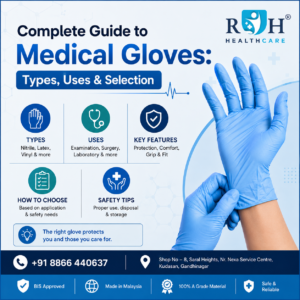
What Are Medical Gloves?
Medical gloves are disposable protective gloves specifically designed to prevent direct contact with blood, body fluids, microorganisms, chemicals, and other potentially hazardous substances. They play a critical role in infection prevention and help protect both healthcare professionals and patients during medical procedures.
Medical gloves are manufactured using different materials such as natural latex, nitrile, vinyl, neoprene, and polyethylene. Each material offers unique advantages depending on the intended application, comfort requirements, and level of protection needed.
Disposable medical gloves are intended for single use only and should be discarded after each procedure to minimize the risk of cross-contamination. Reusing disposable gloves can compromise safety and increase the likelihood of infection transmission.
Why Medical Gloves Are Important in Healthcare
Medical gloves are a vital part of modern healthcare because they help maintain a hygienic environment and reduce the spread of infectious diseases.
Preventing Cross-Contamination
Healthcare professionals interact with multiple patients every day. Wearing fresh gloves for each patient helps prevent microorganisms from spreading between individuals, reducing the risk of healthcare-associated infections.
Protecting Healthcare Workers
Doctors, nurses, laboratory technicians, dentists, and caregivers frequently come into contact with blood, bodily fluids, chemicals, and infectious materials. Medical gloves provide an effective barrier that helps reduce occupational exposure.
Enhancing Patient Safety
Patients rely on healthcare providers to follow strict infection control practices. Proper glove use contributes to safer medical procedures and supports better clinical outcomes.
Meeting Healthcare Standards
Hospitals, clinics, and diagnostic laboratories follow infection prevention protocols that require appropriate use of disposable medical gloves. Selecting certified products from trusted suppliers is an important part of maintaining compliance and delivering quality patient care.
Different Types of Medical Gloves
Medical gloves are available in several types, each designed for specific applications. Understanding their differences helps healthcare providers select the right glove for every procedure.
Examination Gloves
Examination gloves are the most commonly used disposable medical gloves. They are designed for routine patient examinations, diagnostic procedures, sample collection, and general medical care. These gloves are available in latex, nitrile, and vinyl materials, allowing users to choose based on comfort, durability, and allergy considerations.
Surgical Gloves
Surgical gloves are manufactured with higher precision than standard examination gloves. They are sterile, individually packed, and designed to provide superior fit, flexibility, and tactile sensitivity during surgical procedures. These gloves support strict infection control in operating rooms and other sterile environments.
Sterile Gloves
Sterile gloves undergo a validated sterilization process to eliminate microorganisms before packaging. They are commonly used for surgeries, wound care, catheter insertion, and other procedures requiring a sterile field. Each pair is individually packaged to maintain sterility until use.
Non-Sterile Gloves
Non-sterile gloves are suitable for routine medical examinations, housekeeping, cleaning, laboratory work, and non-invasive patient care. They provide effective barrier protection for everyday healthcare tasks while remaining cost-effective for high-volume use.
Disposable Medical Gloves
Disposable gloves are intended for one-time use and should be discarded immediately after completing a procedure. Their single-use design helps minimize the spread of infections and supports safe hygiene practices.
Powdered Gloves
Powdered gloves contain a light coating that makes them easier to wear and remove, particularly in environments where gloves are changed frequently. However, many healthcare facilities now prefer powder-free alternatives due to concerns about powder-related contamination.
Powder-Free Gloves
Powder-free medical gloves are manufactured without powder and are widely used in hospitals, clinics, laboratories, and pharmaceutical facilities. They help reduce contamination risks and are generally preferred for modern healthcare environments.
Medical Glove Materials Explained
Choosing the right glove material is just as important as selecting the correct glove type. Different materials offer varying levels of comfort, durability, flexibility, chemical resistance, and allergy protection. Understanding these differences helps healthcare professionals, laboratory staff, and procurement teams make informed decisions based on their specific requirements.
At RH Healthcare, we supply a comprehensive range of high-quality medical gloves manufactured to meet the needs of hospitals, clinics, laboratories, pharmaceutical companies, and distributors across Gujarat. Our portfolio includes latex, nitrile, vinyl, surgical, sterile, and examination gloves, ensuring customers can find the right solution for every application.
Latex Medical Gloves
Latex gloves are made from natural rubber and have been trusted by healthcare professionals for decades. They are known for their excellent elasticity, superior fit, and exceptional tactile sensitivity, making them ideal for procedures that require precision.
Benefits of Latex Gloves
- Outstanding flexibility and comfort
- Excellent tactile sensitivity
- Strong grip in wet and dry conditions
- Comfortable for extended wear
- Cost-effective for routine examinations
Latex gloves are commonly used in hospitals, clinics, dental practices, and diagnostic centers. However, individuals with latex allergies should choose nitrile or vinyl gloves as safer alternatives.
RH Healthcare supplies premium-quality latex examination gloves for hospitals, clinics, and wholesale buyers throughout Gujarat.
Nitrile Medical Gloves
Nitrile gloves are manufactured from synthetic rubber and have become one of the most popular alternatives to latex gloves. They provide excellent puncture resistance, superior durability, and strong chemical protection, making them suitable for demanding medical and industrial applications.
Benefits of Nitrile Gloves
- Latex-free material
- High puncture resistance
- Excellent chemical resistance
- Comfortable fit with good flexibility
- Suitable for allergy-sensitive users
Nitrile gloves are widely used in hospitals, laboratories, pharmaceutical companies, emergency medical services, and industrial environments where durability is essential.
RH Healthcare offers premium nitrile examination gloves in multiple sizes and colors for healthcare professionals and bulk institutional buyers.
Vinyl Medical Gloves
Vinyl gloves are made from polyvinyl chloride (PVC) and provide an economical solution for routine tasks requiring hygiene and basic protection. Because they are latex-free, they are an excellent choice for individuals with latex allergies.
Benefits of Vinyl Gloves
- Affordable pricing
- Latex-free composition
- Comfortable for short-duration tasks
- Easy to wear and remove
- Suitable for frequent glove changes
Vinyl gloves are commonly used in healthcare, food processing, housekeeping, hospitality, salons, and light industrial applications.
RH Healthcare supplies high-quality disposable vinyl gloves in bulk across Gujarat for healthcare facilities, food industries, and commercial businesses.
Polyethylene Gloves
Polyethylene gloves are lightweight disposable gloves primarily used in food service and light-duty applications. While they provide basic hygiene protection, they are not suitable for medical procedures requiring precision or high durability.
Common applications include:
- Food preparation
- Catering services
- Bakery operations
- Retail food handling
Neoprene Medical Gloves
Neoprene gloves offer excellent flexibility and resistance to chemicals, making them suitable for specialized medical and laboratory applications. Although they are less common than latex and nitrile gloves, they provide reliable protection for certain healthcare environments.
Latex vs Nitrile vs Vinyl Gloves
Selecting the right glove often comes down to understanding the strengths of each material. The table below highlights the key differences.
| Feature | Latex Gloves | Nitrile Gloves | Vinyl Gloves |
| Material | Natural Rubber | Synthetic Rubber | PVC (Vinyl) |
| Comfort | Excellent | Very Good | Good |
| Elasticity | Excellent | High | Moderate |
| Puncture Resistance | Good | Excellent | Basic |
| Chemical Resistance | Moderate | Excellent | Limited |
| Latex Allergy Risk | Yes | No | No |
| Durability | High | Very High | Moderate |
| Best For | Medical Examinations | Medical & Industrial Use | Food Handling & General Hygiene |
| Cost | Moderate | Higher | Economical |
Each glove material serves a different purpose. Healthcare facilities often stock multiple glove types to meet the diverse requirements of different departments and procedures.
Sterile vs Non-Sterile Medical Gloves
Understanding the difference between sterile and non-sterile gloves is essential for maintaining infection control standards.
Sterile Gloves
Sterile gloves undergo a validated sterilization process before packaging. Each pair is individually sealed to maintain sterility until use.
Sterile gloves are recommended for:
- Surgical procedures
- Wound dressing
- Catheter insertion
- Minor surgical interventions
- Invasive medical procedures
Their primary purpose is to prevent microorganisms from entering sterile body areas.
Non-Sterile Gloves
Non-sterile gloves are widely used for routine patient care and everyday healthcare activities where a sterile environment is not required.
Typical applications include:
- Patient examinations
- Blood sample collection
- Diagnostic procedures
- General laboratory work
- Housekeeping in healthcare facilities
They offer reliable protection while being more economical for routine tasks.
RH Healthcare supplies both sterile and non-sterile gloves to hospitals, clinics, laboratories, and healthcare distributors across Gujarat.
Powdered vs Powder-Free Gloves
Healthcare facilities often choose between powdered and powder-free gloves depending on their operational requirements.
Powdered Gloves
Powdered gloves contain a light coating that helps users wear and remove gloves more easily, especially during frequent glove changes.
Advantages
- Easy donning
- Comfortable in humid environments
- Suitable for certain industrial applications
Limitations
- Powder particles may contaminate sensitive environments.
- Less preferred in modern healthcare settings.
- May increase irritation in some users.
Powder-Free Gloves
Powder-free gloves have become the preferred choice in hospitals and healthcare facilities because they reduce contamination risks while maintaining excellent comfort.
Advantages
- Reduced contamination
- Improved patient safety
- Lower allergy concerns
- Cleaner working environment
- Suitable for pharmaceutical manufacturing
RH Healthcare recommends powder-free gloves for hospitals, diagnostic laboratories, and healthcare professionals seeking higher hygiene standards.
How to Choose the Right Medical Gloves
Selecting the appropriate medical gloves depends on several important factors.
Consider the Medical Procedure
Routine examinations may require examination gloves, while surgeries demand sterile surgical gloves with superior tactile sensitivity.
Choose the Right Material
Latex provides exceptional comfort, nitrile offers superior durability, and vinyl delivers an economical solution for low-risk applications.
Check for Allergies
Healthcare facilities serving patients or staff with latex allergies should consider nitrile or vinyl gloves.
Select the Correct Size
Proper glove fit improves comfort, precision, and safety while reducing hand fatigue during extended procedures.
Verify Product Certifications
Always purchase gloves from reputable suppliers like RH Healthcare that provide certified, high-quality products manufactured according to recognized quality standards.
Medical Glove Sizes Explained
Choosing the correct glove size is essential for comfort and performance.
Small (S)
Suitable for users with smaller hands requiring greater precision.
Medium (M)
The most commonly used size across hospitals and clinics.
Large (L)
Designed for professionals requiring additional hand space and comfort.
Extra Large (XL)
Provides a comfortable fit for users with larger hands while maintaining dexterity.
Why Proper Fit Matters
Gloves that are too tight may tear easily and cause discomfort, while loose gloves can reduce grip and tactile sensitivity. Selecting the correct size enhances performance, minimizes hand fatigue, and improves overall safety during medical procedures.
Industries That Use Medical Gloves
Medical gloves are indispensable across numerous industries where hygiene, safety, and infection control are priorities. Selecting the right gloves helps organizations protect employees, customers, and patients while maintaining regulatory compliance.
Hospitals
Hospitals are the largest users of medical gloves. Doctors, nurses, surgeons, emergency medical teams, and support staff rely on examination gloves, sterile gloves, and surgical gloves throughout the day to maintain infection control.
Clinics & Healthcare Centers
General physicians, specialty clinics, physiotherapy centers, and outpatient facilities use disposable medical gloves for patient examinations, wound care, vaccinations, and routine treatments.
Diagnostic Laboratories
Laboratory technicians handle blood samples, diagnostic specimens, chemicals, and testing equipment daily. Medical gloves help minimize contamination and improve workplace safety.
Dental Clinics
Dentists and dental assistants use examination and sterile gloves during oral examinations, dental surgeries, cleanings, and other procedures that require precision and hygiene.
Pharmaceutical Industry
Pharmaceutical manufacturing facilities maintain strict hygiene standards during production, packaging, quality testing, and research. Disposable gloves play an important role in preventing contamination.
Nursing Homes & Elder Care Facilities
Caregivers and healthcare professionals use medical gloves while assisting residents with daily care, medication administration, wound management, and hygiene tasks.
Veterinary Clinics
Veterinarians and animal healthcare professionals wear medical gloves during examinations, surgeries, vaccinations, and laboratory procedures to maintain hygiene and reduce infection risks.
Food Processing Industry
Although food-grade gloves differ slightly from medical gloves, vinyl and nitrile disposable gloves are widely used in food manufacturing, restaurants, catering businesses, and commercial kitchens to ensure food safety.
Beauty & Cosmetic Clinics
Beauty professionals use disposable gloves during skin treatments, cosmetic procedures, hair coloring, tattooing, and other services requiring hygienic practices.
At RH Healthcare, we supply premium-quality medical gloves for all these industries, helping businesses across Gujarat maintain high standards of hygiene and safety.
Best Practices for Using Medical Gloves
Even the highest-quality gloves are only effective when used correctly. Following proper glove usage practices helps maximize protection and reduce contamination.
Wash Hands Before Wearing Gloves
Always clean and dry your hands before putting on gloves. Gloves should never replace proper hand hygiene.
Choose the Correct Size
Properly fitting gloves improve comfort, grip, and dexterity while reducing the chances of tearing during use.
Change Gloves Frequently
Disposable medical gloves should be replaced between patients, procedures, or tasks to prevent cross-contamination.
Remove Gloves Carefully
Avoid touching the contaminated outer surface while removing gloves. Proper removal techniques help reduce exposure to microorganisms.
Dispose of Gloves Responsibly
Used gloves should be discarded in appropriate biomedical or waste disposal containers according to applicable healthcare guidelines.
Store Gloves Properly
Keep gloves in a cool, dry place away from direct sunlight, excessive heat, and moisture to maintain their quality and performance.
Common Mistakes to Avoid When Using Medical Gloves
Many users unintentionally reduce glove effectiveness by making common mistakes.
Reusing Disposable Gloves
Disposable medical gloves are designed for single use only. Reusing them increases the risk of contamination and infection.
Wearing the Wrong Type of Gloves
Different tasks require different glove types. For example, sterile gloves should be used for surgical procedures, while examination gloves are suitable for routine patient care.
Ignoring Latex Allergies
Healthcare facilities should identify staff or patients with latex allergies and choose nitrile or vinyl gloves where appropriate.
Wearing Incorrect Glove Sizes
Poorly fitting gloves reduce comfort, dexterity, and protection while increasing the likelihood of tearing.
Delaying Glove Replacement
Damaged, torn, or contaminated gloves should be replaced immediately to maintain effective protection.
Why Choose RH Healthcare for Medical Gloves?
When purchasing medical gloves, choosing a trusted supplier is just as important as selecting the right product. RH Healthcare has earned the confidence of healthcare providers, distributors, and institutional buyers across Gujarat through its commitment to quality, reliability, and customer satisfaction.
Wide Range of Medical Gloves
We offer an extensive portfolio of medical gloves, including:
- Latex Examination Gloves
- Nitrile Examination Gloves
- Vinyl Hand Gloves
- Surgical Gloves
- Sterile Gloves
- Non-Sterile Gloves
- Disposable Medical Gloves
This comprehensive range enables hospitals and businesses to source all their glove requirements from a single trusted supplier.
Certified Quality Products
We supply products sourced from reputable manufacturers that follow recognized quality standards such as ISO, CE, GMP, and BIS (where applicable). Every batch is carefully inspected before dispatch to ensure consistency and reliability.
Wholesale Supply Across Gujarat
RH Healthcare proudly supplies hospitals, clinics, laboratories, pharmacies, medical distributors, pharmaceutical companies, food processing units, and industrial organizations throughout Gujarat, including Ahmedabad, Gandhinagar, Surat, Vadodara, Rajkot, Jamnagar, Bharuch, Bhavnagar, Anand, Mehsana, Morbi, Vapi, and many other cities.
Competitive Pricing
Our wholesale pricing helps businesses optimize procurement costs while maintaining access to premium-quality medical gloves.
Reliable Customer Support
Our experienced team provides assistance with product selection, bulk orders, inventory planning, and timely deliveries, ensuring a smooth procurement experience.
Conclusion
Medical gloves are an essential part of infection prevention and workplace safety across healthcare, laboratories, pharmaceuticals, food processing, hospitality, and many other industries. Understanding the different types of medical gloves, their materials, applications, and selection criteria helps organizations choose products that provide the right balance of protection, comfort, and cost-effectiveness.
Whether you require latex examination gloves for routine patient care, nitrile gloves for enhanced durability, vinyl gloves for economical hygiene solutions, or sterile surgical gloves for critical procedures, selecting certified products from a trusted supplier is essential.
At RH Healthcare, we are committed to supplying high-quality medical gloves that meet the needs of healthcare professionals, distributors, and businesses across Gujarat. With our extensive product range, competitive wholesale pricing, reliable inventory, and prompt delivery, we help organizations maintain the highest standards of hygiene and safety.
If you’re looking for dependable medical glove solutions, RH Healthcare is your trusted partner for quality, reliability, and exceptional customer service.
Contact RH Healthcare
Looking for premium-quality medical gloves at competitive wholesale prices? Partner with RH Healthcare for certified products, reliable bulk supply, and fast delivery across Gujarat.
RH Healthcare
📍 Shop No. 8, Saral Heights, Sector 8, Gandhinagar, Gujarat
📞 Phone: +91 88664 40637
📧 Email: rhhealthcare2021@gmail.com
Contact our team today to discuss your medical glove requirements and receive a customized wholesale quotation.
Frequently Asked Questions
1. What are medical gloves?
Medical gloves are disposable protective gloves used in healthcare, laboratories, food processing, and other industries to reduce contamination and protect users from harmful substances.
2. What are the different types of medical gloves?
The main types include examination gloves, surgical gloves, sterile gloves, non-sterile gloves, latex gloves, nitrile gloves, and vinyl gloves.
3. Which medical glove material is best?
The best material depends on the application. Latex offers excellent comfort, nitrile provides superior puncture and chemical resistance, while vinyl is a cost-effective option for routine hygiene tasks.
4. What is the difference between sterile and non-sterile gloves?
Sterile gloves are individually sterilized and used for surgical or invasive procedures, whereas non-sterile gloves are suitable for routine examinations and general patient care.
5. Are nitrile gloves better than latex gloves?
Nitrile gloves are more resistant to punctures and chemicals and are latex-free, making them suitable for users with latex allergies. Latex gloves, however, provide excellent flexibility and tactile sensitivity.
6. How do I choose the correct glove size?
Choose gloves that fit snugly without restricting movement. A proper fit improves comfort, dexterity, and overall safety during medical procedures.
7. Can disposable medical gloves be reused?
No. Disposable medical gloves are intended for single use only and should be discarded after each procedure or task.
8. Which industries use medical gloves?
Medical gloves are widely used in hospitals, clinics, laboratories, dental practices, pharmaceutical companies, veterinary clinics, food processing, hospitality, and beauty salons.
9. How should medical gloves be stored?
Store gloves in a cool, dry place away from direct sunlight, moisture, and excessive heat to maintain their quality and performance.
10. Where can I buy high-quality medical gloves in bulk?
RH Healthcare supplies premium-quality latex, nitrile, vinyl, sterile, surgical, and examination gloves in bulk to hospitals, clinics, distributors, and businesses across Gujarat.